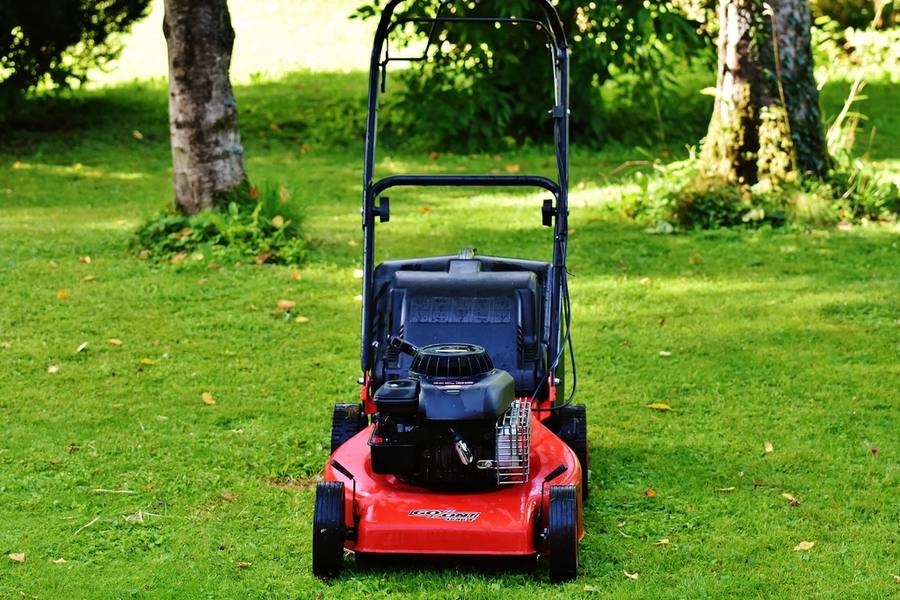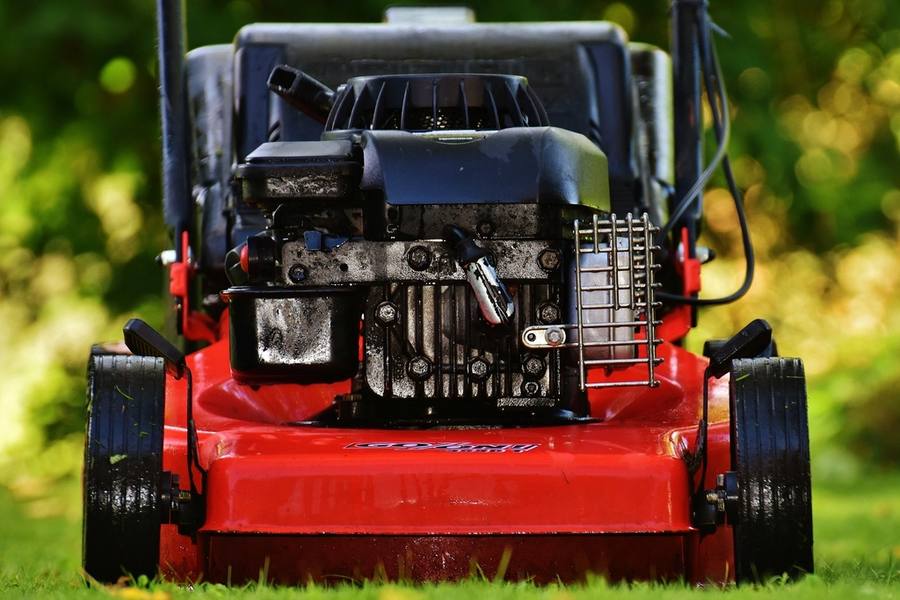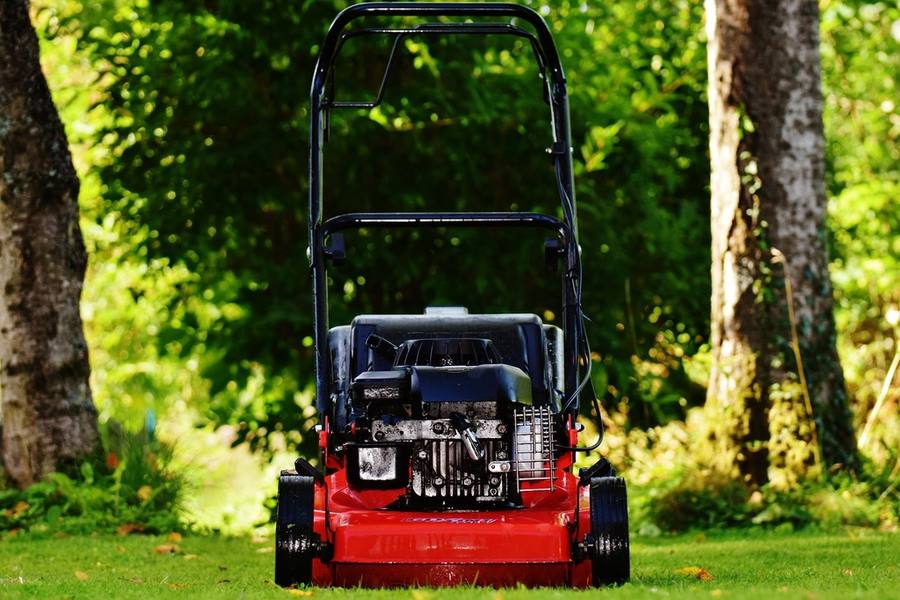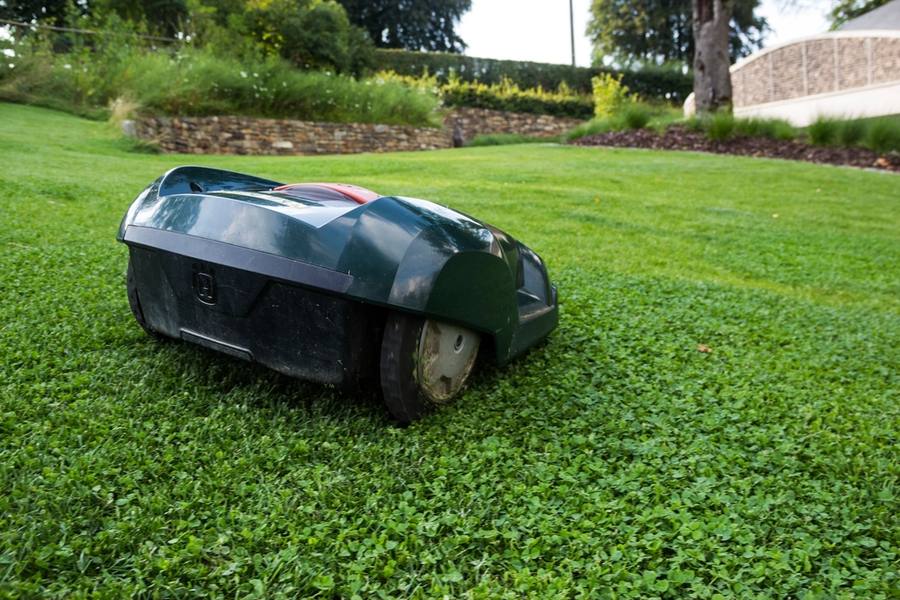
Representative image (stock photo); not the exact product.
Runtime Claims Assume Ideal Conditions
Stated runtimes are measured on short dry grass with no load, and real mowing through damp or long grass consumes the battery considerably faster.
A mower rated for an hour frequently manages half that on a first cut of the season, which is when the lawn most needs cutting.
Judging capacity by lawn area rather than by stated minutes, and having a second battery for anything beyond a small garden, is the realistic approach.
Cutting Height And Why Higher Is Better
Cutting a lawn very short removes most of the leaf area the grass uses to photosynthesise, which weakens the plant and lets weeds and moss establish.
Removing no more than a third of the blade height at a time is the standard guidance and it produces visibly healthier grass than scalping does.
Higher cutting also shades the soil, which retains moisture in dry weather and is the cheapest drought measure available to anybody with a lawn.
Mulching Against Collecting
Mulching mowers chop clippings finely and drop them back, which returns nitrogen to the soil and reduces or removes the need to feed a lawn.
That works on regular short cuts and produces a matted layer on long or wet grass, which smothers the lawn rather than feeding it.
Collection suits long grass, weed seed removal and a tidy finish, and switching between the two through the season is more sensible than committing to one.
Blade Sharpness Determines The Finish
A sharp blade cuts grass cleanly and a blunt one tears it, which leaves ragged white tips that brown within days and gives a lawn a dull unhealthy appearance.
Torn grass also loses more water and is more vulnerable to disease, so blade condition is a lawn health matter rather than only a cosmetic one.
Blades need sharpening at least annually and more often on sandy soil, and a replacement blade costs little against the difference in finish.
Battery Systems And Long-Term Cost
Buying into a battery platform shared across a hedge trimmer, strimmer and blower means batteries and chargers are shared rather than duplicated.
Batteries are the expensive component and degrade over several years, and a platform still supported when replacements are needed is worth more than a marginally better mower.
Storing batteries partly charged in a cool dry place rather than flat or full through a winter extends their life meaningfully.
Deck material affects weight and longevity in ways that are easy to overlook, since a steel deck is heavier and takes impacts that crack a plastic one, while plastic never rusts and is considerably easier to push. For a small flat lawn the plastic deck is the better practical choice, and for rough ground with hidden stones and roots the steel one survives what the plastic will not. Neither is superior in general and matching it to the ground is what matters.
The Verdict
The right choice for most domestic lawns, where realistic runtime and blade sharpness matter more than headline power.
Runtimes assume ideal grass, mulching fails on long wet lawns, and blunt blades tear grass and brown it.
Buy into a battery platform, not just a mower. The batteries outlast and outcost the machine itself.
At a glance
Pros
- No cord, no petrol, starts instantly
- Far quieter than petrol mowers
- Batteries shared across a tool platform
- Mulching returns nitrogen and removes feeding
Cons
- Stated runtimes assume short dry grass
- Struggles with long or wet first cuts
- Batteries degrade and are the expensive part
- Mulching mats down on long wet grass
Frequently asked questions
Will the battery last for my lawn?
Stated runtimes assume short dry grass with no load, and a first cut of the season frequently halves them. Judge by lawn area rather than minutes, and buy a second battery for anything beyond a small garden.
How short should I cut?
Longer than most people do. Removing more than a third of the blade height weakens the grass and lets moss and weeds in. Higher grass also shades the soil, which is the cheapest drought protection a lawn can have.
Should I mulch or collect?
Mulch on regular short cuts, which returns nitrogen and largely removes the need to feed. Collect on long or wet grass, where mulched clippings mat into a layer that smothers the lawn rather than feeding it.
Specifications
| Type | Cordless rotary mower |
| Runtime claims | Measured on short dry grass |
| Realistic planning | Lawn area, plus a second battery |
| Cutting height | Remove a third of blade height |
| Benefit of height | Shades soil, retains moisture |
| Mulching | Short regular cuts only |
| Blades | Sharpen at least annually |
| Battery storage | Part charged, cool and dry |
The bottom line
Right for most lawns. Buy the battery platform rather than the mower, and cut higher than you think.
Check Price on Amazon