Polycarbonate Greenhouse
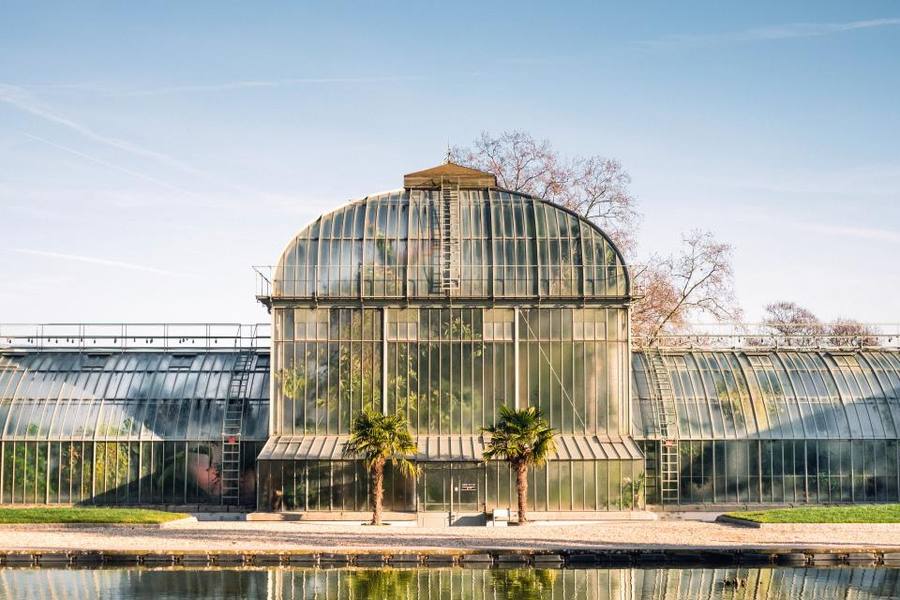
Symbolbild (Stockfoto); nicht das abgebildete Produkt.
Polycarbonate Against Glass
Twin-wall polycarbonate insulates considerably better than single glass, which holds heat overnight and reduces the cost of any heating.
It also diffuses light rather than transmitting it directly, which spreads illumination more evenly and reduces leaf scorch on bright days.
Glass is clearer, lasts longer and does not yellow, and it breaks into dangerous fragments where polycarbonate does not, which matters in a garden used by children.
Anchoring Is Not Optional
A greenhouse is a large light box and wind gets underneath it, and unanchored greenhouses are lifted, moved and destroyed in storms every winter.
A proper base anchored into ground or concrete is what prevents that, and the base is frequently sold separately and skipped.
That single decision determines whether a greenhouse survives a decade or a single bad night, and it is the commonest false economy in this category.
Ventilation Determines Whether Plants Survive
A closed greenhouse in summer sun reaches temperatures that kill plants within hours, and the roof vent supplied on most models is nowhere near adequate alone.
Additional vents, a louvre at low level and an open door create the airflow that keeps temperatures survivable.
Automatic vent openers using a wax cylinder need no power and open as temperature rises, which for anybody not at home during the day is essential rather than optional.
Panels Blow Out
Polycarbonate panels are held in aluminium channels by clips, and wind lifts panels out of cheaper frames repeatedly.
Additional clips, or a bead of appropriate sealant, secures them considerably better and costs very little.
A panel that has blown out and cracked cannot usually be refitted, and keeping a spare panel is more practical than it sounds.
Shading, Damping And Summer Management
Summer sun through any greenhouse is intense, and shade netting or shade paint is what keeps midsummer temperatures workable.
Damping down the floor with water in hot weather raises humidity and lowers temperature through evaporation, which is free and effective.
Removing shading in autumn matters as much as applying it in spring, since light becomes the limiting factor as days shorten.
Hygiene at the end of a season matters more in a greenhouse than almost anywhere in a garden, since pests and diseases overwinter in the frame, in old compost and under staging. Washing down the inside with a horticultural disinfectant, clearing every dead leaf and cleaning pots before storage prevents most of the problems that otherwise appear in spring. It is an unpleasant afternoon in November that saves a great deal of trouble in March.
Size is the decision people regret most, since a greenhouse is invariably full within a season and extending one is not usually possible. Buying larger than the current plan requires is the advice almost every experienced grower gives.
Guttering and a water butt convert a greenhouse roof into a rainwater supply sitting exactly where watering happens, which is among the most useful additions available.
The Verdict
A practical and safer alternative to glass, where anchoring and ventilation determine whether it works and survives.
Unanchored greenhouses are destroyed by wind, panels blow out of cheap frames, and closed greenhouses cook plants.
Anchor it properly and fit an automatic vent. Those two things decide whether it lasts and whether plants live.
Auf einen Blick
Vorteile
- Insulates far better than single glass
- Diffused light reduces leaf scorch
- Will not break into dangerous fragments
- Lighter and easier to assemble than glass
Nachteile
- Destroyed by wind if not anchored
- Panels blow out of cheap frames
- Polycarbonate yellows over many years
- Supplied roof vents are inadequate alone
Häufig gestellte Fragen
Polycarbonate or glass?
Polycarbonate insulates better, diffuses light to reduce scorch and will not break into dangerous fragments. Glass is clearer, lasts longer and does not yellow. For a garden used by children, polycarbonate is the safer choice.
Do I need the base?
Yes. A greenhouse is a large light box and wind gets underneath it — unanchored ones are lifted and destroyed every winter. The base is usually sold separately and skipping it is the commonest false economy here.
How much ventilation do I need?
More than is supplied. A closed greenhouse in summer sun kills plants within hours. Add vents and a low louvre, and fit an automatic wax-cylinder opener, which needs no power and works while you are out.
Spezifikationen
| Type | Twin-wall polycarbonate greenhouse |
| Versus glass | Warmer, safer, less clear |
| Critical | Anchored base, usually sold separately |
| Ventilation | Roof vent alone is inadequate |
| Essential | Automatic wax-cylinder vent opener |
| Panels | Add clips or sealant against wind |
| Summer | Shade netting and damping down |
| Autumn | Remove shading as light drops |
Fazit
Warmer and safer than glass. Anchor it and fit an auto vent — everything else is secondary.
Preis auf Amazon prüfen