Rainwater Butt With Diverter
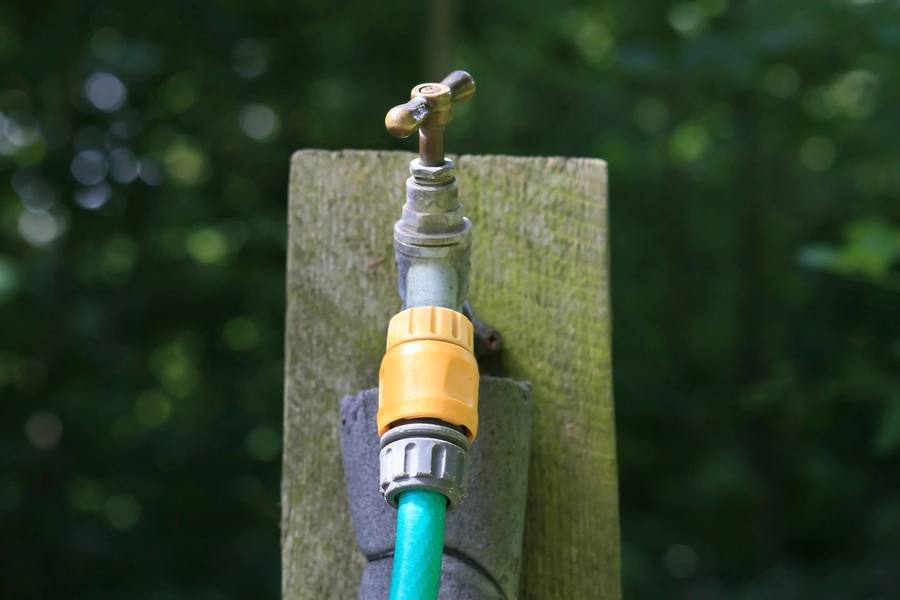
Image illustrative (photo de stock) ; ce n'est pas le produit exact.
Rainwater Is Better For Most Plants
Mains water in hard-water areas is alkaline and raises soil pH over time, which harms acid-loving plants such as rhododendrons, camellias and blueberries.
Rainwater is soft and slightly acidic, which suits those plants directly and suits nearly everything else equally well.
It is also free, unmetered and available during hosepipe restrictions, which for anybody on a water meter is a straightforward financial case.
Capacity Against Roof Area
A small butt fills from one heavy shower and then overflows, wasting everything after the first few minutes of rain.
Roof area is what determines collection, and even a modest shed roof generates far more water in a downpour than a single butt holds.
Linking two or more butts together multiplies storage cheaply, which is a better use of money than buying one larger and more expensive container.
Edible Crops And Contamination
Roof runoff carries bird droppings, moss, debris and whatever has leached from the roof material, and stored water grows bacteria in warm weather.
Watering soil around edible crops is generally considered acceptable, and watering directly onto leaves being eaten raw is where the risk sits.
Salad and ready-to-eat crops are better watered from the mains, and anything cooked before eating carries far less concern.
Mosquitoes, Algae And Lids
Standing water breeds mosquito larvae within a week in warm weather, and an open butt is an effective breeding site.
A sealed lid prevents that entirely, and it also stops leaves, debris and small animals entering and drowning.
Light reaching the water grows algae, which is why opaque butts stay cleaner than translucent ones and why a lid does two jobs at once.
Tap Height, Stands And Access
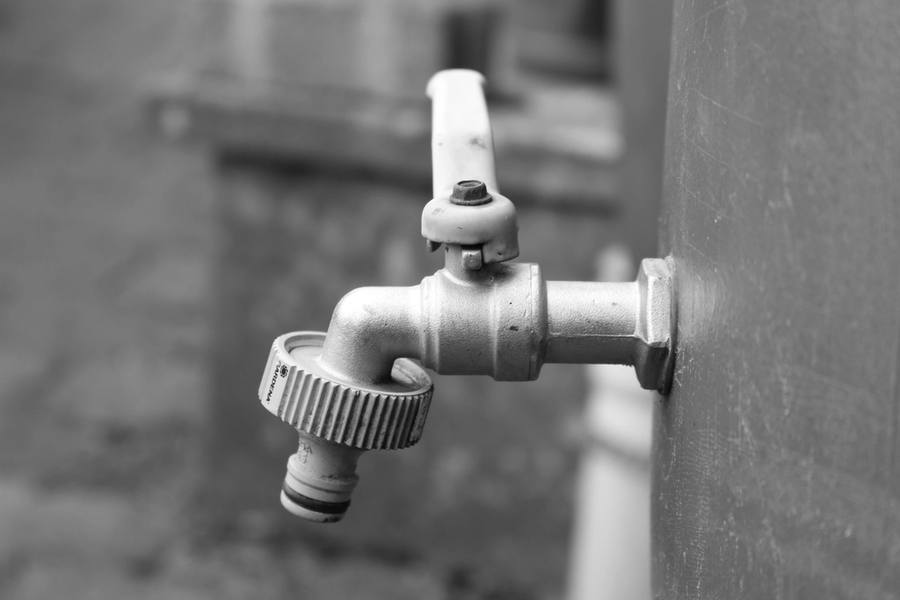
A tap near the base of a butt sitting on the ground cannot fit a watering can underneath, which makes the water almost unusable.
A stand raises it enough to fill a can, and a butt on a stand is considerably less stable when full and needs level firm ground.
Water weighs a great deal, and a full butt on a soft or sloping surface can lean and eventually topple, which is a serious hazard near a child.
Diverters vary considerably in how well they work, and the better ones fit into the downpipe and return overflow to the drain automatically once the butt is full. Cheaper ones simply cut the downpipe and rely on an overflow hose, which floods a wall or a border every time heavy rain fills the butt. That overflow arrangement is worth thinking about before installation rather than after the first storm.
Pumps turn a butt into something usable with a hose, since gravity from a butt on a stand gives almost no pressure and a watering can is otherwise the only practical outlet.
Slimline butts fit alongside a wall where a round one does not, which for a narrow side passage is frequently the only shape that works at all.
The Verdict
Straightforwardly worthwhile for free soft water, with sensible caution about ready-to-eat crops and a lid that is not optional.
Small butts overflow in one shower, open water breeds mosquitoes, and full butts on soft ground topple.
Keep a lid on it and put it on a stand. Without a stand you cannot fill a watering can.
En un coup d'œil
Avantages
- Free soft water suiting acid-loving plants
- Available during hosepipe restrictions
- Linked butts multiply storage cheaply
- Sealed lids stop mosquitoes and debris
Inconvénients
- Small butts overflow within one shower
- Carries roof contamination from droppings and moss
- Breeds mosquitoes if left open
- Very heavy when full and topples on soft ground
Questions fréquemment posées
Can I use it on vegetables?
For watering soil, generally yes. Roof runoff carries bird droppings, moss and roof leachate, and stored water grows bacteria in warm weather, so salad and ready-to-eat crops are better watered from the mains.
How big should it be?
Bigger than you think, or linked. Even a modest shed roof generates far more water in one downpour than a single butt holds, and everything after the first few minutes overflows. Linking butts multiplies storage cheaply.
Do I need a stand?
Yes, or you cannot fit a watering can under the tap, which makes the water almost unusable. Put it on firm level ground — a full butt is extremely heavy and one on soft or sloping ground can lean and topple.
Spécifications
| Type | Rainwater butt with downpipe diverter |
| Water quality | Soft, slightly acidic |
| Best for | Rhododendrons, camellias, blueberries |
| Capacity planning | Link multiple butts |
| Edible crops | Soil watering; avoid raw-eaten leaves |
| Lid | Essential; mosquitoes and algae |
| Stand | Needed to fill a watering can |
| Siting | Firm level ground; very heavy when full |
Résumé
Free soft water plants prefer. Lid on, stand under, and keep it off salad leaves eaten raw.
Vérifier le prix sur Amazon