LED Seedling Grow Light
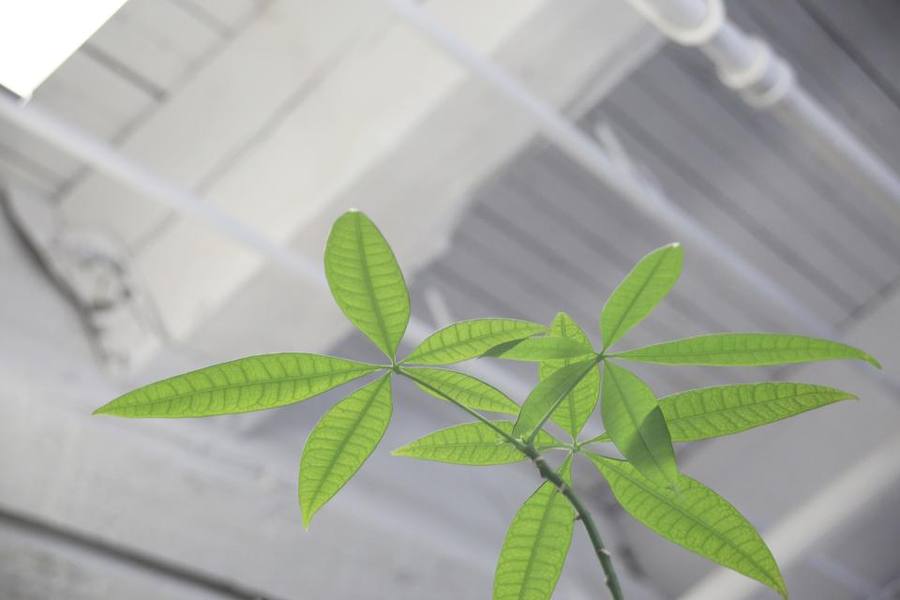
Representative image (stock photo); not the exact product.
Leggy Seedlings Are A Light Problem
Seedlings on a windowsill stretch toward the light and become tall, pale and floppy, which is a plant searching for light it is not receiving.
A windowsill in early spring provides a small fraction of outdoor light levels, and no amount of feeding or watering compensates for that.
A grow light held close above seedlings produces short sturdy growth, which is the single most visible difference it makes.
Distance Matters More Than Wattage
Light intensity falls off rapidly with distance, and a powerful lamp held too far away delivers less to a seedling than a modest one held close.
Most seedling lamps should sit a few centimetres above the plants and be raised as they grow, which means an adjustable mounting rather than a fixed one.
A lamp too close scorches leaves, and the signal is bleaching at the top of the plant nearest the light rather than general yellowing.
Full Spectrum And The Purple Light Question
Early LED grow lights used red and blue diodes only, producing the distinctive purple glow, because those wavelengths drive photosynthesis most efficiently.
Full-spectrum white LEDs are only marginally less efficient and make it possible to see plant health properly, since problems are invisible under purple light.
For a domestic setting in a living space, full spectrum white is the sensible choice and the efficiency difference is not meaningful at this scale.
Day Length And Timers
Seedlings need a dark period and continuous light is not better, with around fourteen to sixteen hours suiting most seedlings.
A timer makes that automatic and is effectively required, since manually switching a lamp at the same times daily does not happen reliably.
Running a lamp overnight in a living room also affects the people in it, which is a practical argument for timing it to daylight hours.
Heat, Safety And Placement
LED lamps run far cooler than the fluorescent and discharge lamps they replaced, and they still produce heat that dries compost faster than expected.
Any electrical equipment used near watering needs care, and a lamp positioned where water can be splashed onto it is a genuine hazard.
Seedlings under lights also need air movement, since still humid air encourages damping off, which kills seedlings at soil level overnight.
Coverage area is worth calculating rather than assuming, since a bar light covering one seed tray does not cover three and the edges of a wide array receive far less than the centre. Reflective surfaces around the growing area — white card or foil — recover a surprising amount of light that would otherwise be lost sideways. That costs nothing and is frequently more effective than buying a second lamp.
Hanging adjustment by chain or ratchet is what makes raising a lamp practical as seedlings grow, and a fixed mounting means moving the trays instead, which is worse.
Eye comfort matters where a lamp runs in a living space, and a shade or a position out of direct sightline prevents the glare that otherwise makes a room unpleasant.
The Verdict
The effective solution to leggy windowsill seedlings, where distance and a timer matter more than the specification.
Lamps too far away do little, purple light hides plant problems, and still air under lights encourages damping off.
Get it close and put it on a timer. Distance matters far more than wattage for seedling light.
At a glance
Pros
- Produces short sturdy seedlings instead of leggy ones
- Extends the sowing season by weeks
- Full spectrum lets you see plant health
- Running costs are low for LED
Cons
- Ineffective if mounted too far away
- Scorches leaves if too close
- Purple-only lamps hide plant problems
- Still air under lights encourages damping off
Frequently asked questions
Why are my seedlings tall and floppy?
Not enough light. A windowsill in early spring gives a small fraction of outdoor levels and seedlings stretch searching for more. A lamp held close above them produces short sturdy growth instead.
How far above should it be?
A few centimetres for most seedling lamps, raised as they grow, which means an adjustable mounting. Intensity falls off rapidly with distance — a powerful lamp held far away delivers less than a modest one held close.
Purple light or white?
White full spectrum for a home. Red and blue diodes are marginally more efficient and make plant problems invisible, which matters more than the small efficiency difference at this scale.
Specifications
| Type | Full spectrum LED seedling light |
| Solves | Leggy stretched windowsill seedlings |
| Most important | Distance above the plants |
| Typical | A few centimetres, raised as they grow |
| Too close | Bleaching at the top of the plant |
| Spectrum | White full spectrum over purple |
| Day length | Around 14-16 hours on a timer |
| Also needed | Air movement against damping off |
The bottom line
Fixes leggy seedlings completely. Close as you dare, on a timer, with some air moving around them.
Check Price on Amazon