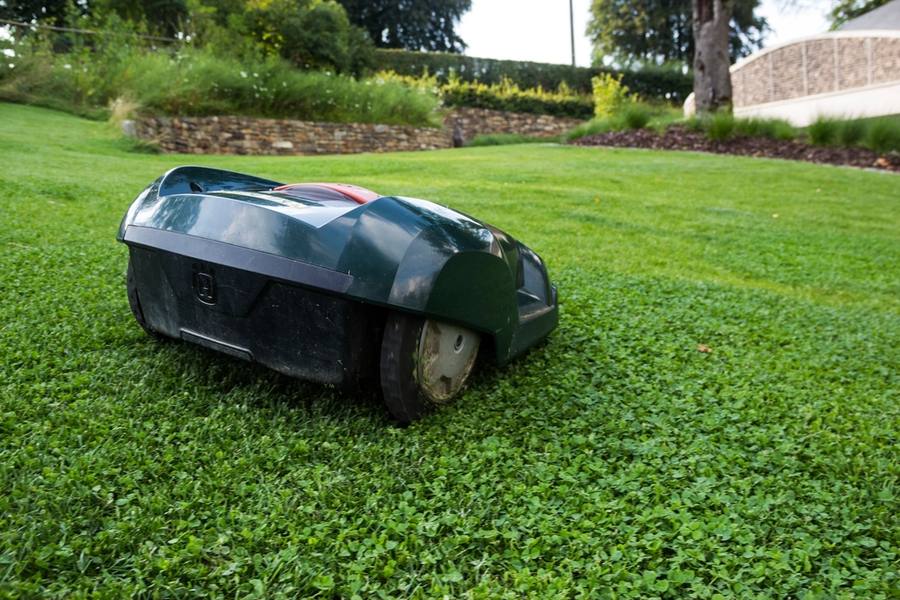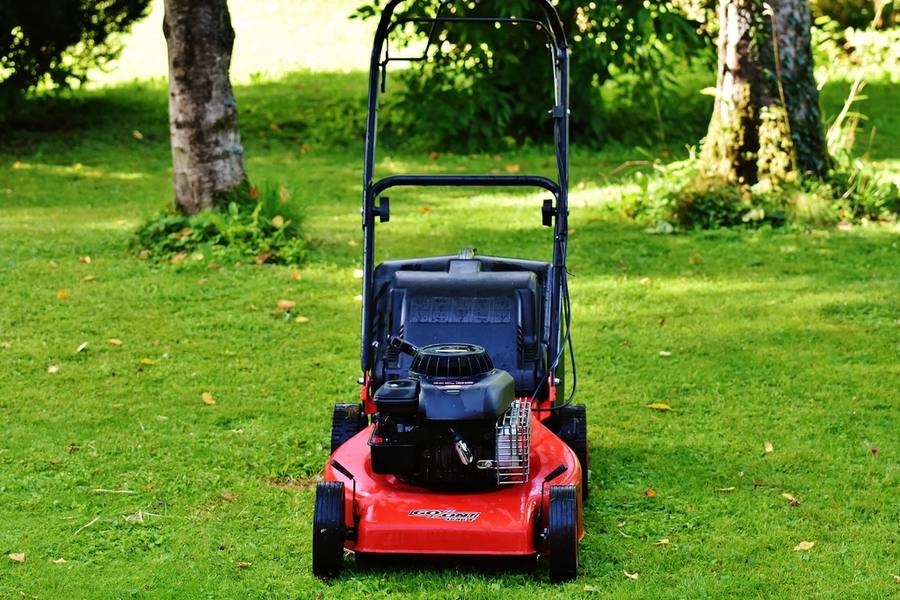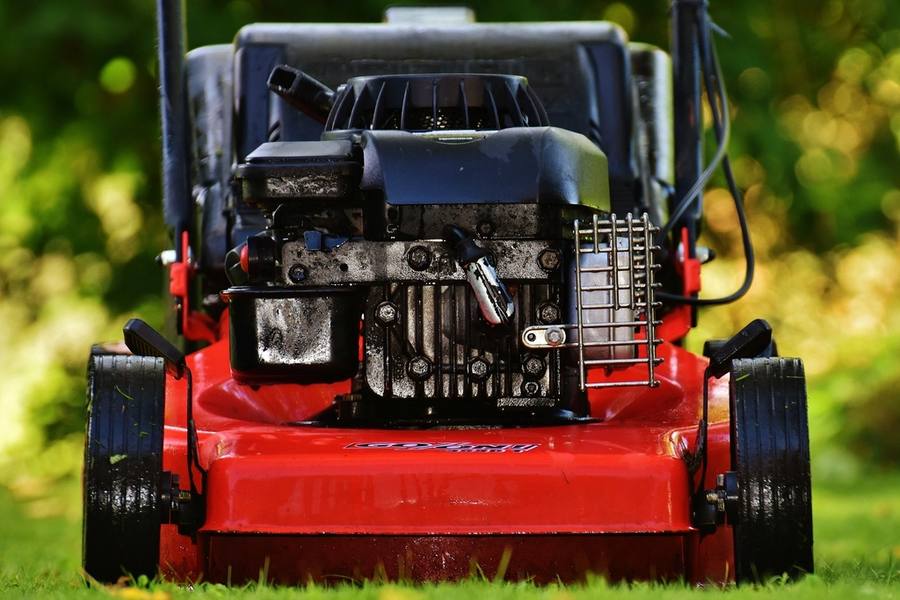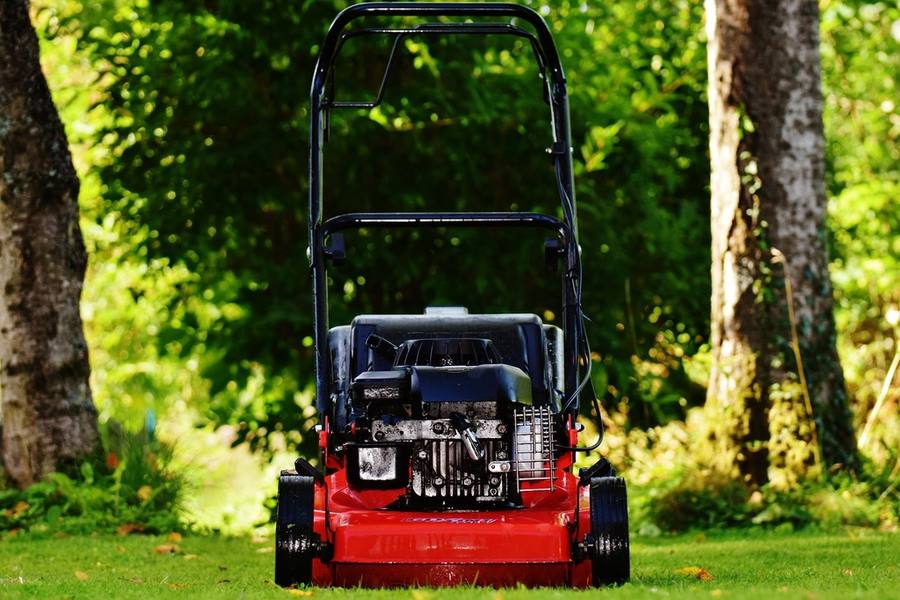
Temsili görsel (stok fotoğraf); ürünün kendisi değildir.
Thatch Is What It Removes
Thatch is a layer of dead grass stems and roots that builds up between the green growth and the soil, blocking water, air and feed from reaching the roots.
A thin layer is normal and beneficial, and anything much beyond a centimetre starts causing the shallow rooting and poor drainage that weaken a lawn.
Scarifying pulls that layer out mechanically, which is the only effective way to remove it once it has built up.
It Looks Catastrophic Afterwards
A properly scarified lawn looks ruined — brown, thin and covered in debris — and that appearance causes people to conclude they have done serious damage.
Recovery takes a few weeks in growing conditions and the lawn comes back thicker, which is the expected outcome rather than a lucky one.
Scarifying timidly to avoid that appearance removes very little thatch and largely wastes the effort.
Timing Determines Whether It Recovers
Scarifying works in early autumn or mid spring when grass is growing actively and can recover, and doing it in summer heat or late autumn leaves a damaged lawn that cannot repair.
Autumn is generally preferred since soil is warm and moist and weed seeds germinate less readily than in spring.
The lawn should be dry enough not to tear and moist enough underneath, which in practice means a few days after rain rather than during it.
Depth Settings And Overdoing It
Most machines have adjustable depth, and setting blades too deep cuts into soil and roots rather than pulling thatch, which genuinely damages a lawn.
Blades should just reach the soil surface, and a first pass at a shallow setting followed by a second at right angles is better than one aggressive pass.
Moss is pulled out readily and moss regrows from fragments, so scarifying without treating the underlying cause simply spreads it around.
Aftercare Is Not Optional
A scarified lawn is thin and open, which is the ideal moment to overseed since seed reaches soil rather than sitting on thatch.
Feeding and light topdressing at the same time supports recovery considerably, and doing nothing afterwards invites weeds into the gaps.
Watering through a dry spell after scarifying matters, since new seed dying from drought wastes the whole exercise.
Aeration is the related task that solves a different problem, since scarifying removes the layer above the soil and aerating relieves compaction within it by pulling out cores of earth. A lawn that is both thatched and compacted needs both, and doing one while ignoring the other leaves the underlying issue in place. Hollow-tine aeration is the effective version, and simply spiking a lawn with a fork achieves considerably less than most people assume.
Collection boxes on scarifiers fill remarkably fast, and a first pass on a mossy lawn frequently means emptying every few metres, which is worth expecting.
The Verdict
The only effective way to remove built-up thatch, provided it is done at the right time of year and followed by overseeding.
Wrong timing leaves a lawn unable to recover, excessive depth cuts roots, and moss spreads from fragments.
Do it in early autumn and overseed immediately. A scarified lawn looks ruined and that is correct.
Bir bakışta
Artılar
- Only effective removal of built-up thatch
- Opens the lawn for successful overseeding
- Improves water and feed reaching the roots
- Lawn returns thicker within weeks
Eksiler
- Looks catastrophic for several weeks
- Wrong timing leaves a lawn unable to recover
- Too deep a setting cuts roots and soil
- Spreads moss unless the cause is treated
Sıkça sorulan sorular
When should I scarify?
Early autumn ideally, or mid spring — times when grass grows actively and can recover. Summer heat or late autumn leaves a damaged lawn with no capacity to repair, which is how people conclude scarifying ruined their lawn.
I have wrecked my lawn — have I?
Almost certainly not. A properly scarified lawn looks brown, thin and covered in debris, and recovers thicker within a few weeks in growing conditions. Scarifying timidly to avoid that appearance removes very little thatch.
What do I do afterwards?
Overseed immediately, since the seed reaches soil rather than sitting on thatch. Feed and lightly topdress at the same time, and water through any dry spell — new seed dying of drought wastes the whole exercise.
Teknik Özellikler
| Type | Electric lawn scarifier |
| Removes | Thatch and moss |
| Thatch threshold | Above about a centimetre |
| Best timing | Early autumn, or mid spring |
| Avoid | Summer heat and late autumn |
| Depth | Blades just reaching the soil |
| Technique | Two shallow passes at right angles |
| Aftercare | Overseed, feed, water |
Özet
The only real way to clear thatch. Early autumn, overseed straight after, and expect it to look terrible.
Amazon'da Fiyatı Kontrol Et