Stainless Garden Spade
Temsili görsel (stok fotoğraf); ürünün kendisi değildir.
Spade Or Fork Depends On The Soil
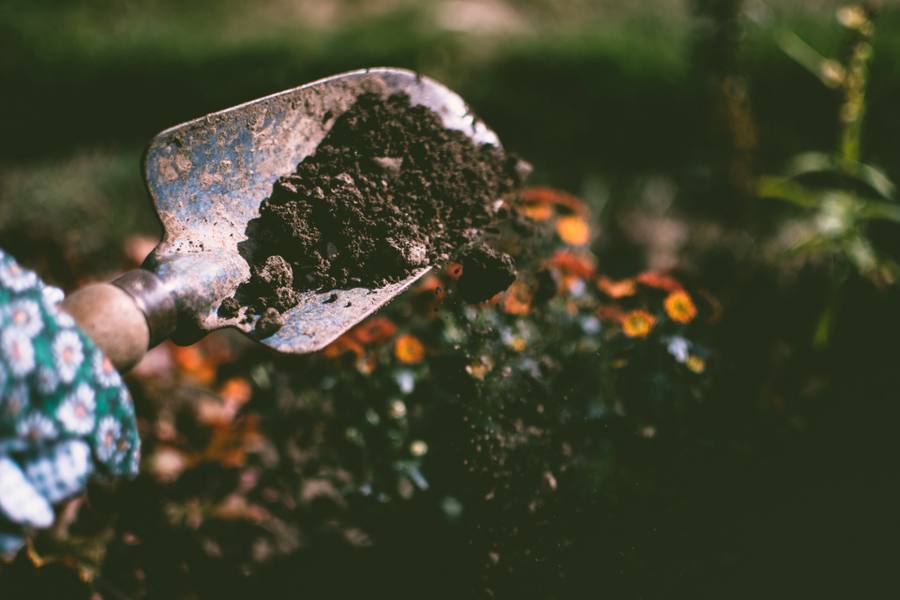
A spade cuts through soil and roots and lifts a clean slice, which suits digging holes, edging and moving loose material.
A fork breaks up compacted ground and lifts root crops without slicing them, and it passes through stony soil where a spade jars against every stone.
On heavy clay a fork does the initial breaking and a spade does the moving, and using only one of them makes most digging harder than it needs to be.
Stainless Against Carbon Steel
Stainless blades shed soil noticeably better, which on clay is the difference between digging and repeatedly scraping a blade clean.
Carbon steel holds a sharper edge and rusts, and it cuts roots more effectively for that reason where it is maintained.
For general garden use stainless wins on convenience, and for heavy root work a sharpened carbon blade does more, which is why serious gardeners often own both.
Handles And How They Break
A wooden shaft breaks when used as a lever rather than as a digging tool, which is what happens when a spade is pushed sideways to prise out a root.
Ash handles flex and absorb that better than cheaper timbers, and a solid socket where the blade meets the shaft is where quality shows.
Fibreglass shafts do not break the same way and transmit more vibration to the hands, which over a long session is noticeable.
Sharpening A Spade
Almost nobody sharpens a spade and almost everybody should, since a sharpened edge cuts through turf and roots with a fraction of the effort.
A file along the front bevel restores it in a few minutes and needs doing once or twice a season on a spade in regular use.
That single maintenance task makes more difference to digging effort than any feature difference between spades.
Back Injury And Technique
Digging injuries are overwhelmingly to the lower back and come from lifting a heavy load at arm's length with a twisted spine.
Keeping the load close, turning the feet rather than the torso and taking smaller spadefuls prevents most of it, which matters more with age.
A shorter handle suits a shorter user and a long-handled spade encourages the bent-over posture that causes the problem, so handle length is a genuine ergonomic choice.
Border spades are narrower and lighter than a full digging spade and are frequently the more useful tool in an established garden, where space between plants is limited and full spadefuls are rarely wanted. They are sold as a specialist item and in practice they are what most domestic gardeners reach for most often. Anybody buying a single spade for a planted garden rather than an allotment is usually better served by the narrower one.
Tread plates on the blade shoulder let a boot push without cutting into the sole, and a spade without them wears through footwear surprisingly quickly.
The Verdict
A tool bought once and kept for decades, where sharpening and technique matter more than which spade was purchased.
Handles break when used as levers, unsharpened blades triple the effort, and poor lifting technique injures backs.
Sharpen it. A filed edge cuts turf and roots with a fraction of the effort and almost nobody does it.
Bir bakışta
Artılar
- Stainless sheds clay soil far better
- Ash handles flex rather than snapping
- Sharpening transforms digging effort
- Lasts decades with minimal care
Eksiler
- Wooden handles break when used as levers
- Stainless holds an edge less well than carbon
- Fibreglass shafts transmit more vibration
- Poor technique causes lower back injury
Sıkça sorulan sorular
Spade or fork?
Both, usually. A spade cuts and lifts clean slices; a fork breaks compacted ground and passes through stones that jar a spade at every strike. On clay the fork breaks and the spade moves.
Why did my handle break?
Almost always leverage — pushing sideways to prise out a root rather than digging. Ash flexes and absorbs more than cheaper timbers, and fibreglass does not break the same way but transmits more vibration to the hands.
Can you sharpen a spade?
Yes, and almost nobody does. A file along the front bevel takes a few minutes and makes more difference to digging effort than any feature difference between spades. Once or twice a season is enough.
Teknik Özellikler
| Type | Stainless digging spade |
| Spade suits | Cutting, edging, moving soil |
| Fork suits | Compacted or stony ground, root crops |
| Stainless | Sheds clay; softer edge |
| Carbon steel | Sharper; rusts |
| Handle | Ash flexes; breaks under leverage |
| Maintenance | File the front bevel twice a season |
| Technique | Load close, turn feet not spine |
Özet
Buy once, keep for decades. Sharpen the edge and keep the load close — that is the whole of it.
Amazon'da Fiyatı Kontrol Et